Journey Builder
Best RV Road Trips: Routes Worth the Drive and How to Plan Them
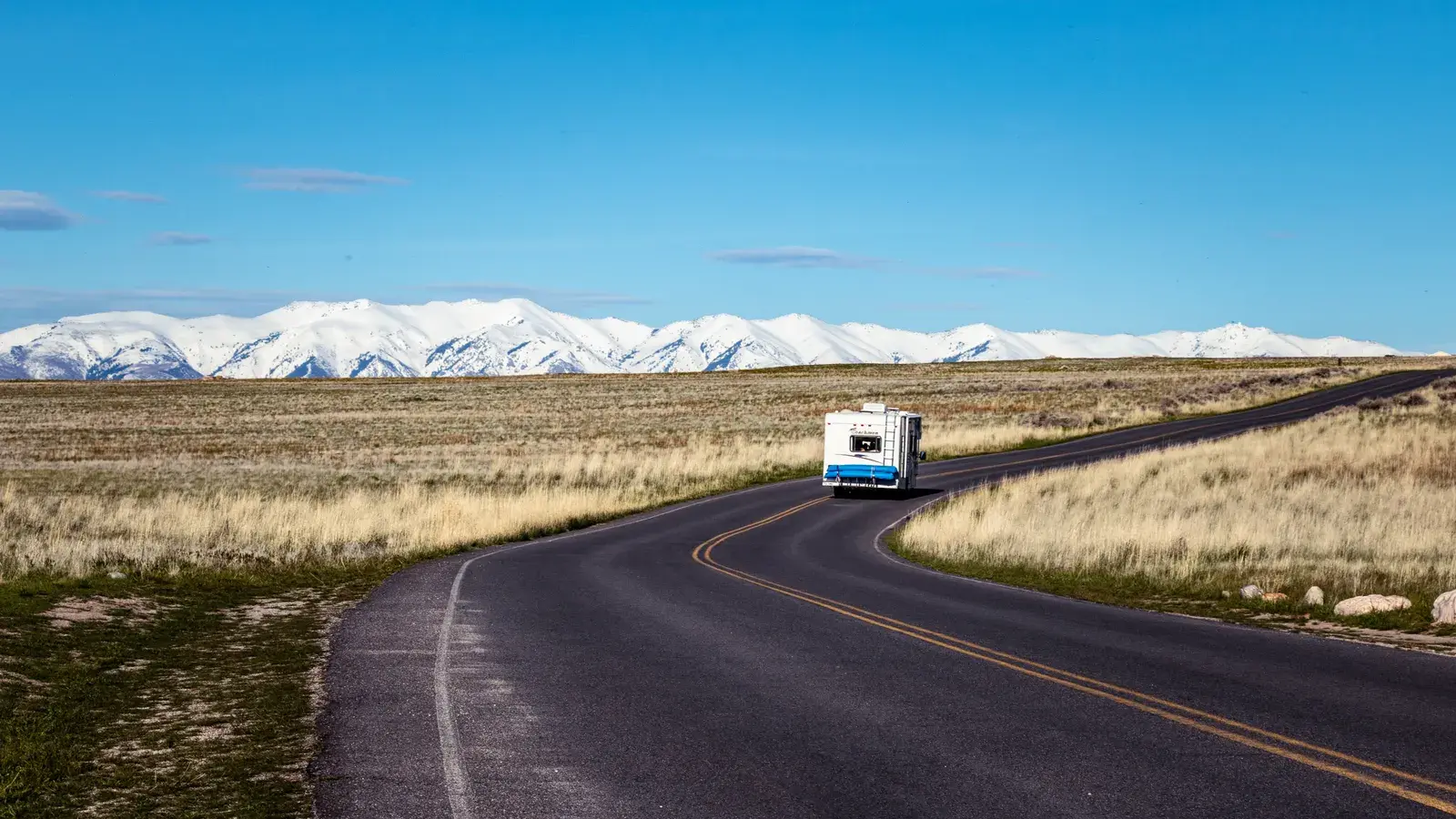
Finding the best RV road trips isn’t just about picking a pretty road on a map. An RV changes the math on everything: how far you can comfortably drive in a day, where you can park overnight, and how much fuel a trip will actually cost. The routes below are proven favorites, but the real work of a great RV trip happens in the planning, matching the road to your rig, your pace, and your budget.
Quick answer
The best RV road trips combine scenic byways with reliable campground access, like the Pacific Coast Highway, Route 66, the Blue Ridge Parkway, and a loop through the national parks of the Southwest. The right route for you depends on your rig’s size, how many driving hours you want each day, and whether you prefer forested campgrounds or desert boondocking.
What makes an RV road trip great
A road trip that works beautifully in a sedan can fall apart in a 30-foot motorhome. Steep mountain grades, tight switchbacks, and limited parking in popular towns all matter more when you’re driving something bigger and slower. The best RV routes tend to have wide shoulders, manageable elevation changes, and a steady supply of campgrounds or RV parks spaced a reasonable distance apart.
Picking a route that fits your rig
Before you commit to a route, think honestly about your rig’s size, turning radius, and how many hours you actually want to spend driving each day. A Class A motorhome towing a car has very different needs than a camper van. If you’re still deciding what to drive or tow, our guide on picking the right ride for a road trip walks through the tradeoffs.
Classic RV road trips across the US and Canada
These routes show up again and again on RVers’ lists for good reason: they’re scenic, well-served by campgrounds, and flexible enough to shorten or extend based on how much time you have.
Pacific Coast Highway
Running along California’s coastline, this route delivers ocean views, redwood forests, and small beach towns, with plenty of state park campgrounds along the way. It’s best driven slowly, both for the views and for the curves.
Route 66
The classic cross-country route from Chicago to Santa Monica is a favorite for RVers chasing nostalgia: diners, motels-turned-landmarks, and small-town Americana. Many stretches run parallel to interstates, so you can dip in and out depending on your schedule.
Blue Ridge Parkway and Great Smoky Mountains
This is one of the most popular RV routes in the eastern US, with rolling mountain scenery and well-maintained roads. Fall is especially popular for foliage, so book campgrounds early if you’re planning an autumn trip.
National parks loop out West
A loop connecting parks like Zion, Bryce Canyon, and the Grand Canyon gives RVers dramatic desert and canyon scenery, though it also means longer stretches between services. Plan fuel and water stops carefully on this one.
Planning logistics that make or break the trip
Scenery gets the attention, but logistics decide whether the trip actually feels relaxing. Campground reservations, daily driving limits, and fuel costs all need to work together.
Campgrounds, pace, and driving hours
A common mistake is planning a route like you would in a car, then realizing the daily drive times don’t leave enough time to set up camp before dark. Many RVers find a rule of thumb helpful for pacing; our breakdown of the 3-3-3 rule for road trips is a good starting point for thinking about daily limits.
Fuel costs and budget
RVs burn more fuel than typical cars, and that adds up fast over a multi-week trip. Building a realistic budget before you leave, rather than discovering the gap at the pump, makes a big difference. For a broader planning checklist before the season starts, see our practical plan for road trip season.
Tip
Set your maximum driving hours per day before you book campgrounds so the pace actually fits the route.
Good to know
Journey Builder's RV mode shows campgrounds at every stop instead of just hotels.
Tip
Build your fuel budget using your actual rig's mileage, not a generic car estimate.
How Journey Builder helps RV travelers plan
This is where planning tools can genuinely save you time. Journey Builder turns a vague road trip idea into a day-by-day itinerary, and it has an RV mode built in that shows campgrounds at every stop instead of just hotels. You can set your maximum driving hours per day and a pace (rest, relaxed, mixed, or packed), and the auto-scheduler builds the plan around those limits, your wake-up and bedtime, and any fixed reservations you’ve already locked in. It even estimates fuel costs using your own vehicle and live fuel prices, so the budget reflects what an RV actually costs to drive, not a generic car estimate.
Bringing it all together
The best RV road trips are the ones where the scenery lives up to the drive and the logistics never become a second job. Whether you’re drawn to the coast, the mountains, or the desert parks, matching your route to your rig and building in realistic pacing will do more for your trip than any single “best of” list. If you want some tech alongside the paper maps and guidebooks, our roundup of apps for road trips covers a few more tools worth having along.
When you’re ready to turn an idea into an actual route, with stops, campgrounds, and a day-by-day plan, Journey Builder can build it with you. Pre-register here to be among the first to use it for your next RV trip.
Plan your next road trip with Journey Builder
It works out the route, finds the stops worth making and lays out every day. Pre-register and we'll email you as soon as your account is ready.