Journey Builder
How-to guide
Planning Camping Road Trip: A Step-by-Step Guide
Planning camping road trip logistics? Learn how to map routes, pick campsites, and build a flexible day-by-day schedule that stays on track.
Plan your trip
Journey Builder works out the route, finds the stops worth making and lays out every day.
Start planningSee how it worksIn short
A camping road trip comes together when you lock in your route, decide where you'll sleep each night (campground, RV park, or dispersed site), and build a day-by-day plan around drive times, daylight, and check-in windows. Book sites that fill up fast, keep the rest flexible, and pack gear that matches your actual camping style, not just a generic checklist.
Planning camping road trip logistics means juggling campsite reservations, drive times, and weather all at once, long before you load the cooler. Add in the extra driving that comes with reaching remote sites, and a camping trip needs a bit more structure than a standard road trip, even if the end goal is the same: time outdoors without a rigid schedule.
Why camping road trips need extra planning
A camping trip has moving parts that a hotel trip doesn’t. You’re often driving to more remote areas, which means longer legs between fuel stops and services. Campgrounds have limited capacity and specific check-in and checkout times, and many popular public campgrounds book out months in advance. Weather also matters more directly, since you’re sleeping outside or in a tent, not behind four walls and central air.
None of this means you need a rigid itinerary. It means the handful of things that truly need to be locked in, like a reserved campsite or a ferry crossing, should be set first, with everything else built loosely around them.
Choosing your route and camping style
Start with the shape of the trip: how many days you have, how far you’re willing to drive each day, and whether you want to stay in one or two base camps or move every night or two. If you’re unsure how many days a given loop or point-to-point route actually needs, our guide on how long a road trip should be walks through how to size a trip to your route and pace.
Public campgrounds vs. private parks vs. dispersed camping
Most camping road trips mix all three, using reservations for the must-see spots and staying flexible everywhere else.
Tip
Book sites most likely to sell out, like national park campgrounds, as soon as your dates are firm.
Building a day-by-day plan that works
Once you know your route and camping style, map out drive times between stops and compare them to how much daylight and energy you’ll actually have after setting up or breaking down camp. A packed highway day followed by setting up a tent in the dark isn’t anyone’s idea of a good time.
Match your days to daylight and drive time
Sunset times shift meaningfully across a multi-week trip, and campground check-in windows often close before dark for safety reasons. Building in a buffer for setup, cooking, and simply arriving while there’s still light left makes the whole trip less stressful. If a stop has a fixed reservation, like a specific campsite or a guided tour, treat that as an anchor and build the rest of the day’s driving around it rather than the other way around.
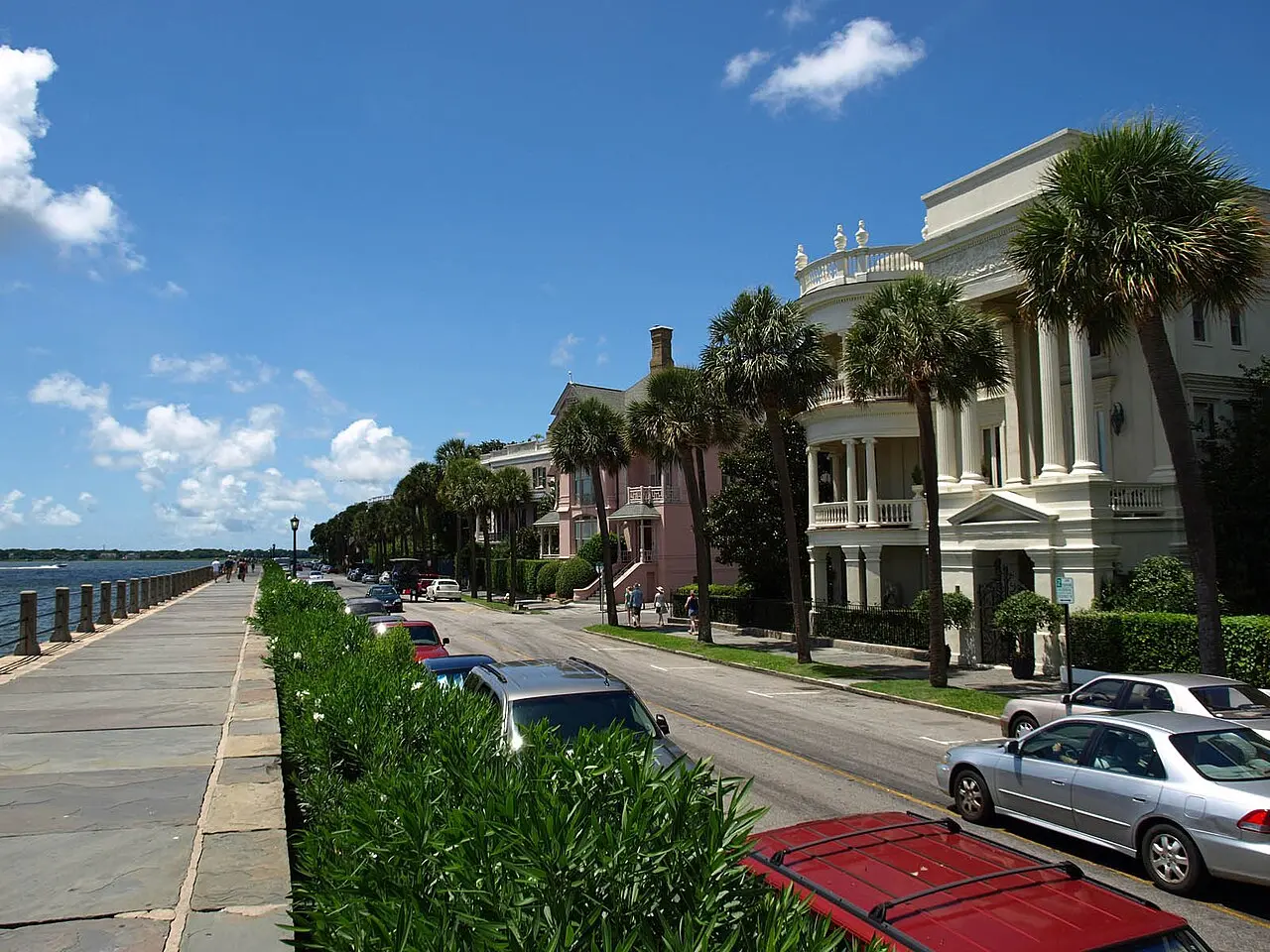
For a sense of how a real multi-day route comes together, our planning guide for a road trip from Charleston to Savannah shows how stops, drive times, and timing fit together over a shorter trip.
Packing and gear checklist
Gear needs shift with your camping style and the season, but a few categories apply across the board: shelter (tent, sleeping bags, pads), a cooking setup (stove, fuel, cookware, cooler), water storage or a filter if you’re heading somewhere without potable water, layered clothing for temperature swings, and basic safety gear like a first aid kit and a paper map as backup. For a broader rundown of what any road trip, camping or not, tends to need before departure, see our list of what’s essential for road trip planning success.
Heads-up
Many campgrounds have strict check-in windows that close before dark, so build in a buffer for setup time.
Booking campsites and tracking reservations
The sites most likely to sell out, national park campgrounds, popular lake or coastal spots, and anything near a major event, should be booked as soon as your dates are firm. Keep confirmation emails or booking numbers somewhere you can find them on the road, since cell service at many campgrounds is spotty at best. It also helps to keep your booked nights separate from ones you’re still considering, so you don’t accidentally double-book or show up somewhere with no space waiting for you.
If budget is a concern, it’s worth knowing you don’t need paid tools or apps to get a workable plan together; our guide to mapping a road trip for $0 covers free ways to sketch out routes and stops before you commit to any bookings.
Good to know
Dispersed camping is often free but requires more self-sufficiency, since there's no water or bathrooms on site.
Where Journey Builder fits in
Camping trips tend to have more fixed points than other road trips, reserved sites, a specific entry time at a park gate, maybe a ferry crossing, and everything else needs to flex around them. Journey Builder lets you lock those fixed plans to a specific time while it builds the rest of the day-by-day schedule around your wake-up and bedtime, drive times, and meals. It also includes an RV mode that surfaces campgrounds along your route, shows each day’s sunset and daylight so you’re not setting up camp in the dark, and warns you if a leg won’t get you to your next stop in time, fixing the conflict in one tap. You still choose the roads, the stops, and the sites; it handles the arithmetic of making them fit together. You can see more route examples on our road trips page.
Plan your next camping trip with confidence
A good camping road trip is really a handful of firm decisions, your route, your reserved sites, your gear, surrounded by room to adjust as the trip unfolds. Lock in what needs locking in, leave the rest loose, and build your days around daylight and drive time rather than guesswork.
Ready to plan your road trip?
Sign up for Journey BuilderPlan your next road trip with Journey Builder
It works out the route, finds the stops worth making and lays out every day. Start your first trip today. No account needed.