Journey Builder
How-to guide
Banff Road Trip: Planning Guide for Routes & Timing
Planning a Banff road trip? Get route options, timing tips, and must-see stops to build a smooth day-by-day itinerary through the Canadian Rockies.
Plan your trip
Journey Builder works out the route, finds the stops worth making and lays out every day.
Pre-registerSee how it worksIn short
A Banff road trip works best when you give yourself at least 5-7 days to cover the drive, explore Banff National Park, and add a few nights in nearby towns like Lake Louise or Canmore. The best routes depend on where you're starting from, whether that's the Pacific Northwest, Ontario, or somewhere else in between, so plan your path first and then build your stops around it.
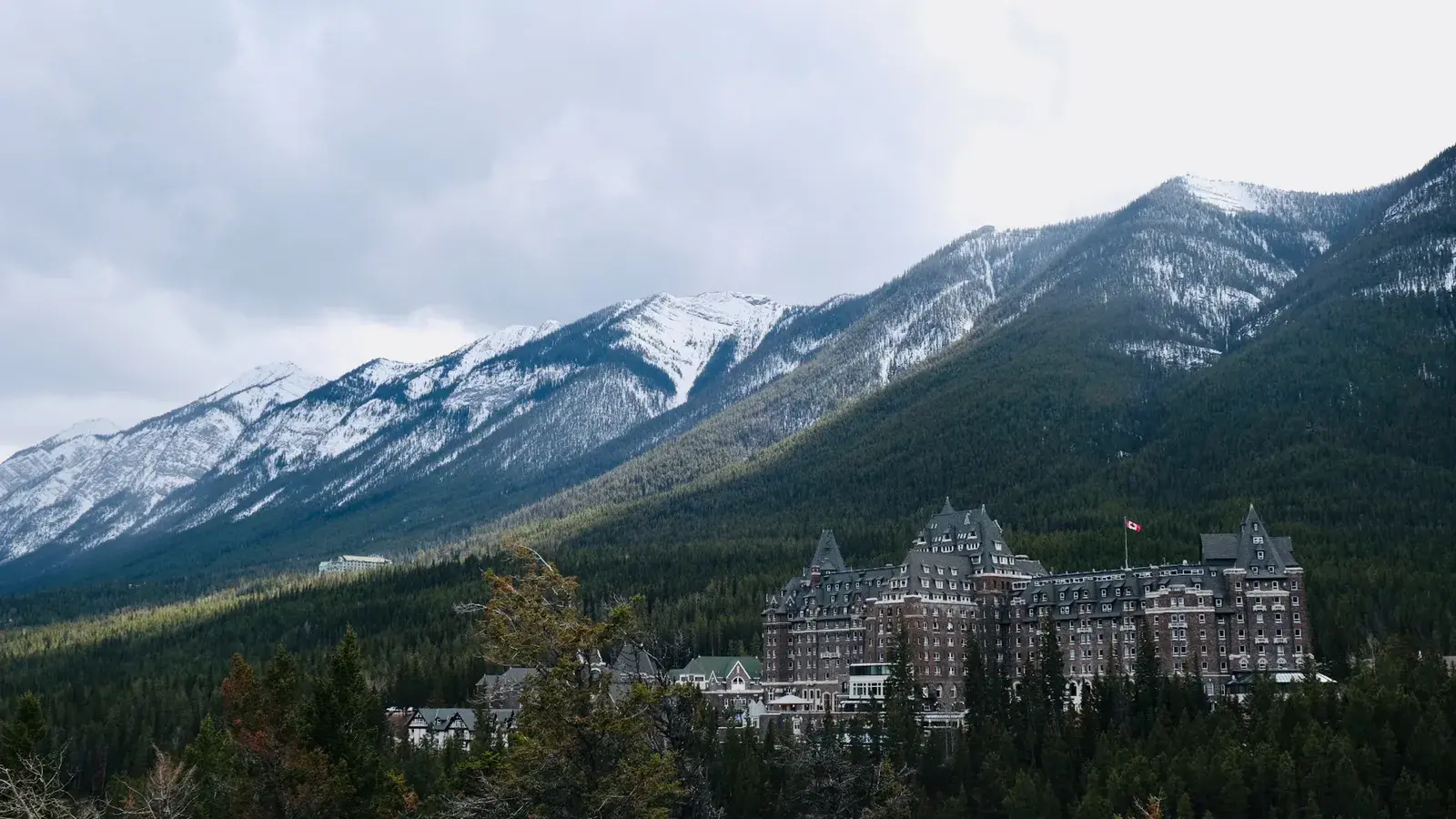
Banff National Park draws travelers from across North America, and for good reason. Turquoise lakes, towering peaks, and wildlife sightings around nearly every bend make this one of the most scenic drives on the continent. But getting there, and making the most of your time once you arrive, takes a bit of planning. This guide walks through the key decisions: when to go, which route to take, how many days to budget, and what to see along the way.
Why Banff Belongs on Your Road Trip List
Banff isn’t just a destination, it’s a region built for road trippers. The Icefields Parkway alone, connecting Banff to Jasper, is consistently ranked among the most beautiful drives in the world. Add in the lakes (Louise, Moraine, Peyto), the hot springs, and the easy access to hiking trails right off the highway, and you’ve got a trip that rewards travelers who like to stop often and linger.
When to Plan Your Banff Road Trip
Peak Summer vs. Shoulder Season
Most visitors arrive between June and September, when roads are clear and hiking trails are fully open. July and August bring the warmest weather but also the biggest crowds and highest accommodation prices. Shoulder months like late May, early June, and September offer a quieter experience, though some high-elevation trails and facilities may still be closed or already closing for the season. Checking daylight hours matters too, since summer gives you much longer days for driving and exploring than a trip planned for early fall.
Popular Routes to Banff
There’s no single “right” way to reach Banff. Your starting point shapes the drive more than anything else.
From the Pacific Northwest
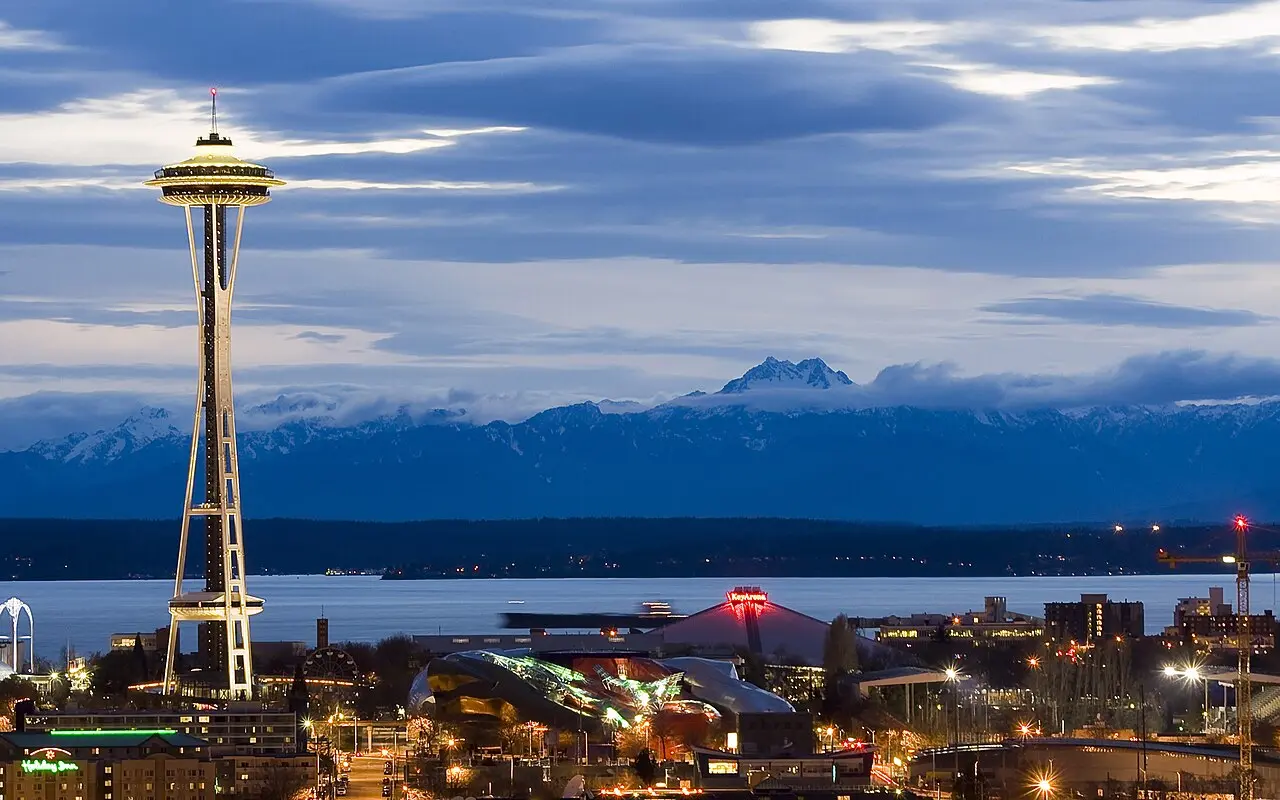
Travelers coming from Seattle have a relatively short, scenic drive north through Washington and British Columbia before crossing into Alberta. For a detailed breakdown of border crossings, drive times, and suggested stops along the way, see our guide to a Seattle to Banff road trip.
From Ontario
For drivers starting in Ontario, the trip to Banff is a genuine cross-country haul, often five days or more of driving one-way if done without flying partway. It’s a bigger commitment, but it passes through the Prairies and offers a chance to break up the journey with stops in cities like Winnipeg and Regina. We cover route options and pacing in our Ontario to Banff road trip guide.
Extending to Jasper
Many travelers pair Banff with Jasper National Park, connected by the Icefields Parkway. If you have the extra days, this extension is worth it. Our Banff Jasper itinerary lays out a day-by-day plan for covering both parks without feeling rushed.
Building Your Day-by-Day Itinerary
How Many Days Do You Need
A full Banff experience, beyond just driving through, usually calls for a minimum of three to four days in the park itself. Add travel days depending on your starting point, and most road trippers end up planning somewhere between five and ten days total.
Pacing Your Drives
Long-distance road trips go more smoothly when you avoid back-to-back marathon driving days. The 3-3-3 rule for road trips is a popular rule of thumb worth considering when you’re mapping out how far to push each day versus where to stop for the night.
Must-See Stops Along the Way
Depending on your route, consider building in time for Lake Louise, Moraine Lake (note that private vehicle access is often restricted in peak season), the Banff Gondola, Johnston Canyon, and the town of Canmore as a quieter home base just outside the park.
Planning Logistics That Matter
Between border crossings, variable mountain weather, and towns with limited lodging capacity in peak season, a Banff road trip has more moving parts than a typical weekend getaway. This is where it helps to have a tool that does some of the heavy lifting.
Using Journey Builder to Handle the Details
Journey Builder turns a vague idea, “we want to see Banff this summer”, into a trip you can actually take. It builds your route automatically with drive times for every leg, ranks towns along the way so you don’t miss worthwhile detours, and suggests how many nights to spend at each stop. Once you’ve picked your stops, its auto-scheduler arranges everything into a day-by-day plan around your wake-up and bedtime preferences, drive times, and any fixed plans like hotel reservations, usually in just a few minutes. It also shows daylight, sunrise and sunset times, and weather forecasts for each day, which matters a lot when you’re planning around long summer evenings in the Rockies. For the full picture of how the app plans trips like this one, visit our road trips page.
Final Tips for a Smooth Trip
Book accommodation in and around Banff well in advance, especially for summer dates, since lodging fills up fast. Keep a flexible buffer in your schedule for weather delays or wildlife traffic jams (a common and delightful hazard in the park). And give yourself permission to linger at the lakes rather than rushing through on a tight checklist.
Ready to start?
Sign up with Journey BuilderPlan your next road trip with Journey Builder
It works out the route, finds the stops worth making and lays out every day. Pre-register and we'll email you as soon as your account is ready.