Journey Builder
Comparison
RV Trip Planner: How to Build a Route That Actually Works
An RV trip planner should handle routes, campgrounds, and schedules built around your rig. Here's what to look for and how to plan your next trip.
Finding the right rv trip planner means looking past a simple map app. Your campground has check-in windows, your rig has a comfortable daily driving limit, and fuel costs add up differently than they do in a sedan. Any planner worth your time needs to work with those realities instead of around them.
Quick answer
An RV trip planner is a tool that builds your route, finds campgrounds and RV-friendly stops, and schedules your days around drive time, fuel stops, and reservations. The right one accounts for your rig’s limits and travel pace, not just point A to point B.
What an RV Trip Planner Needs to Handle
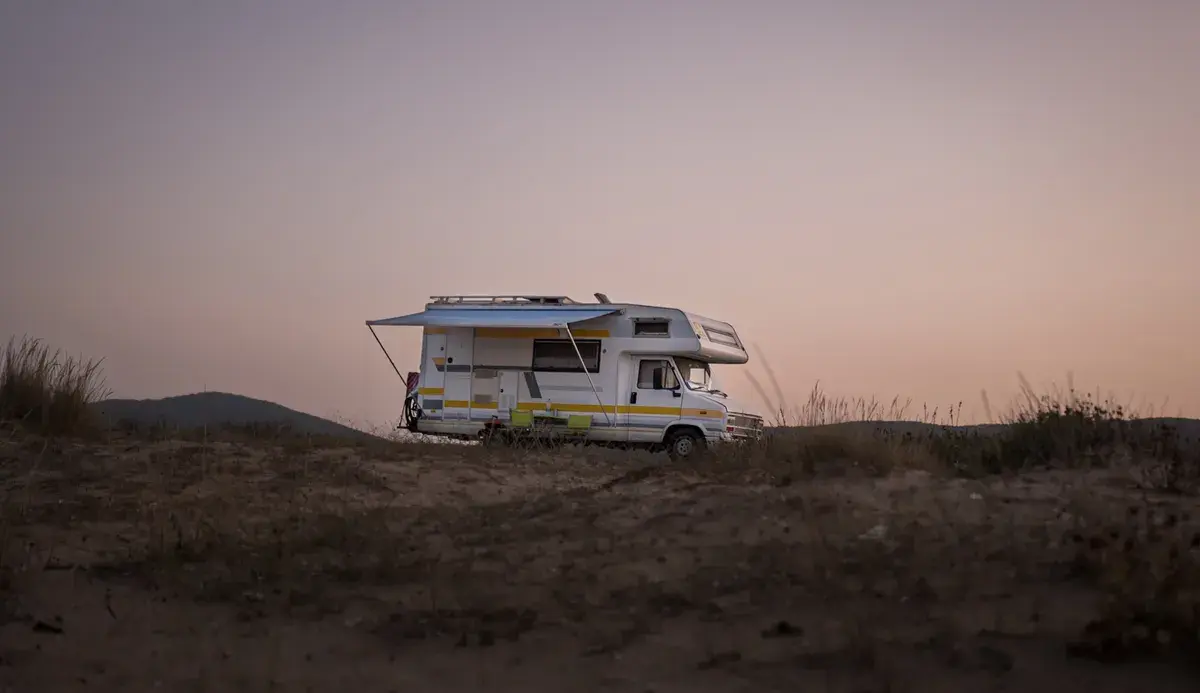
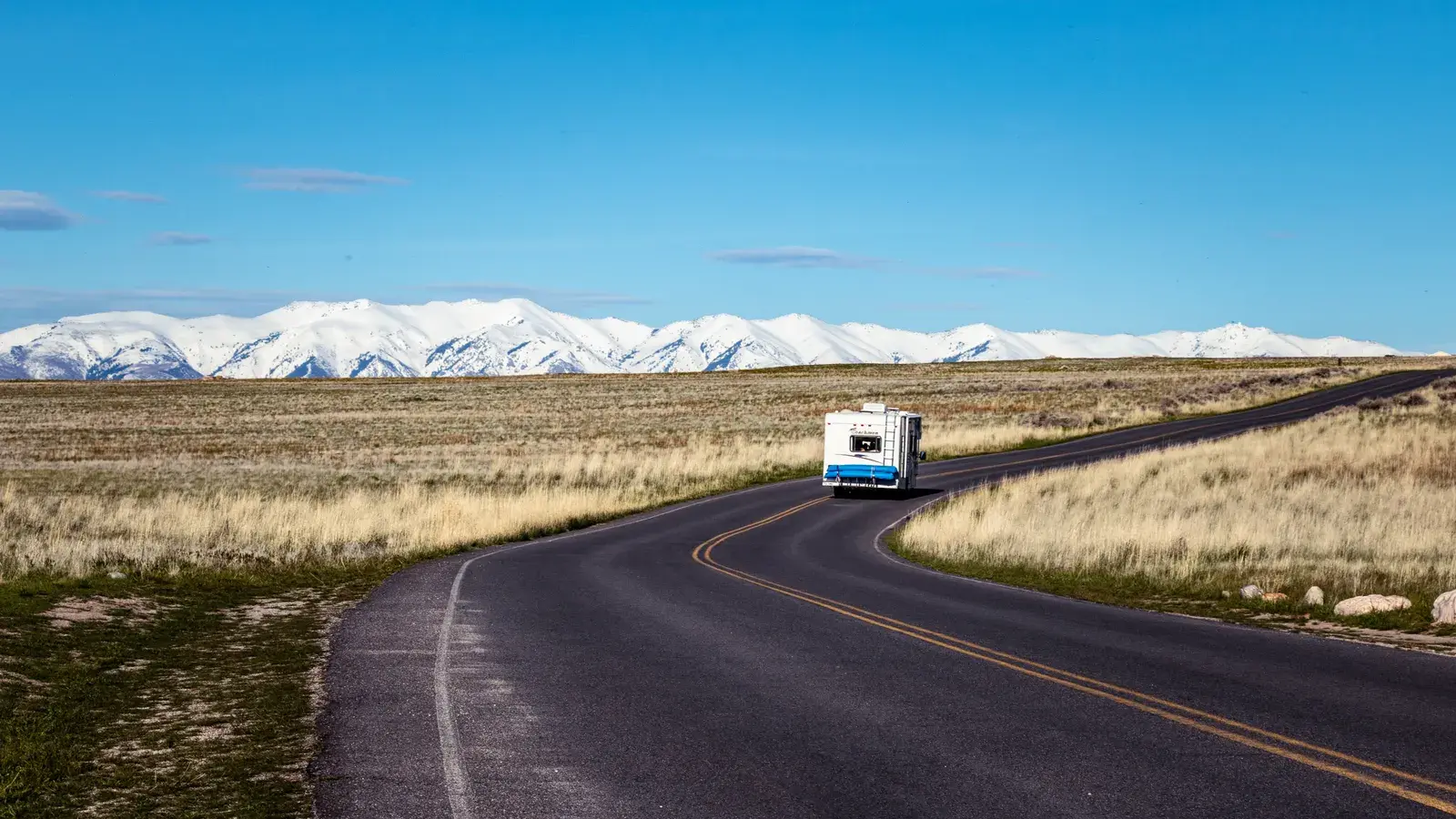
Photo by Simeon Stoilov on Pexels
Routes built for your rig, not just any car
A generic route planner will happily send you down a road with low clearance or a steep grade that’s fine for a compact car but miserable for a 32-foot motorhome. A planner built with RVs in mind should let you choose your roads, whether that means favoring fewer highways, picking the fastest route, or dragging a leg of the trip onto the road you actually want to take. If you’re still mapping out where to go, our Best RV Road Trips guide has routes worth the drive along with notes on how to plan them.
Campgrounds, not just hotels
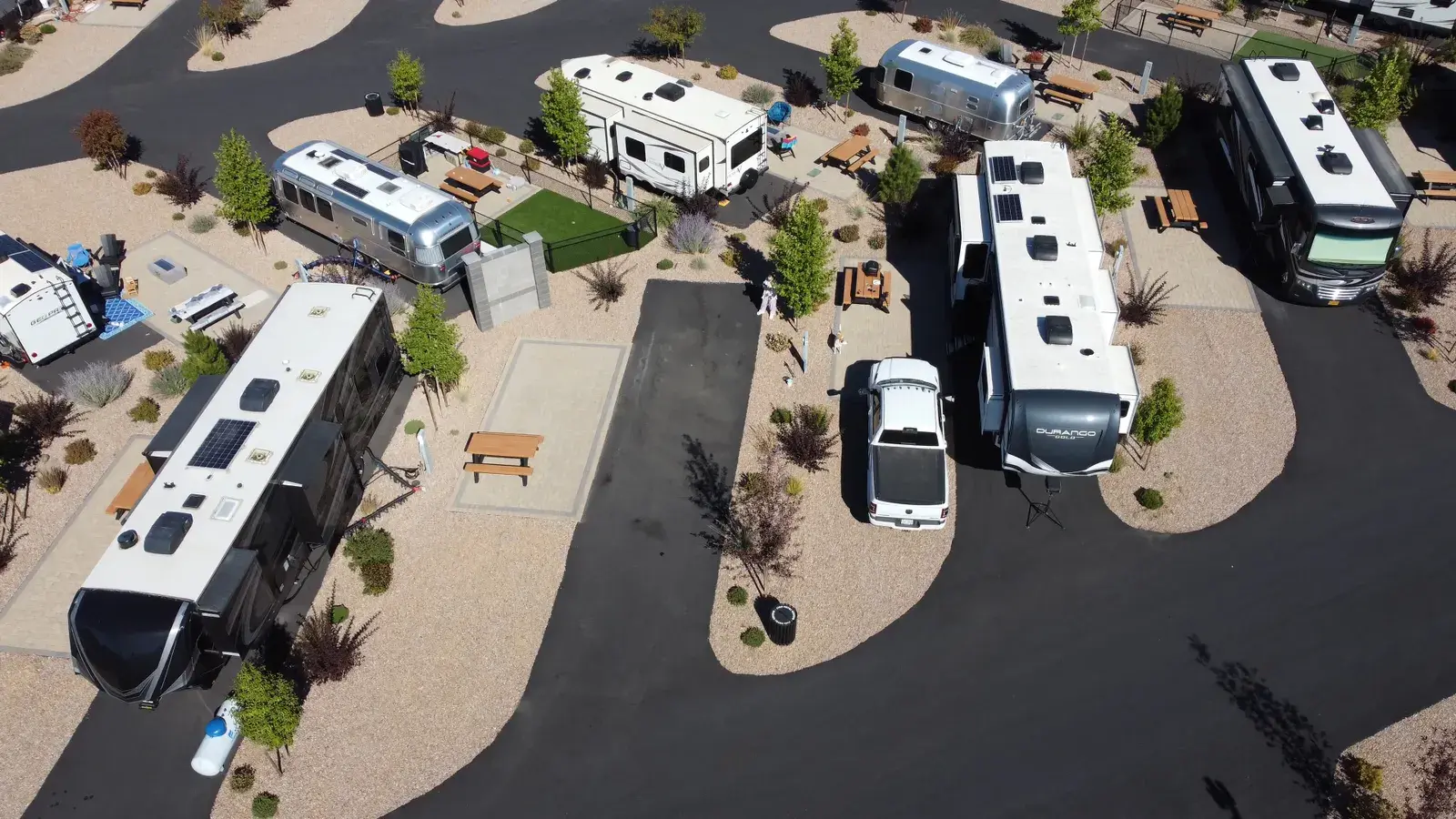
Hotels aren’t the point of an RV trip. A planner needs an RV mode that surfaces campgrounds along your route, not just hotels buried in a generic lodging list. That distinction sounds small until you’re three hours from the nearest hookup and the app keeps suggesting a Best Western.
Finding Stops That Fit an RV Life
Dump stations, fuel, and parking
Part of planning an RV trip is logistics that have nothing to do with sightseeing: where to dump, where to fill up, where you can actually park something the size of a small apartment. A good planner ranks towns along your route and tells you whether a stop is right on the way or how far off it sits, so you’re not guessing whether a detour is worth ten minutes or two hours.
Things to do once you’re parked
Once you’re set up at a campground, you still want to find things to do, places to eat, and the occasional dog park or pool. Filters matter here too — price range, dietary needs, pet-friendly spots — because an RV trip usually means traveling with more than just yourself.
Building the Day-by-Day Schedule
Daylight, drive time, and pace
RVs move slower than cars, and that changes how a day should be scheduled. A planner that shows sunrise, sunset, and daylight hours for each stop helps you avoid rolling into an unfamiliar campground after dark. Setting your pace — rest, relaxed, mixed, or packed — and your maximum driving hours per day keeps the schedule realistic instead of aspirational. If you want a deeper look at how route planning and scheduling fit together, the Route Planner Road Trip Guide walks through building a trip that holds up once you’re actually driving it.
Keeping reservations in order
Campground reservations, ferry crossings, propane refills — RV trips tend to collect fixed commitments. Locking those plans to a specific time and letting everything else build around them, including meals and drive time, saves a lot of manual adjusting when something shifts.
Good to know
Journey Builder's RV mode shows campgrounds along your route instead of just hotels.
Tip
Set your maximum driving hours per day so the schedule matches how far you actually want to drive.
Heads-up
Fuel budgets vary a lot by vehicle, so look for an estimate based on your specific RV rather than a generic per-mile guess.
Budgeting for the Road
Fuel costs and your specific vehicle
Fuel is one of the biggest line items on an RV trip, and it varies a lot depending on what you’re driving. A trip budget that estimates fuel from your actual vehicle and current prices gives you a much more honest number than a generic per-mile guess. Pairing that with a category-by-category budget makes it easier to see where the money’s actually going before you’re halfway through the trip wondering why you’re over.
Comparing RV Trip Planner Options
There are a few different tools that touch on parts of this. Journey Builder plans road trips anywhere in the United States and Canada, from a single day to 90, and includes an RV mode that shows campgrounds, drive times, daylight, weather, and a day-by-day schedule built around your pace and fixed plans. It does the research, arithmetic, and rearranging for you, while still letting you choose the roads, stops, and activities yourself. Some drivers also use fuel-focused apps like GasBuddy for price tracking; we’ve broken down what GasBuddy’s trip planner does and where it falls short if you’re weighing the two. For a broader comparison of what a planning tool should cover, The Travel Road Trip Planner That Turns an Idea Into an Itinerary is worth a read too.
Journey Builder’s own story started with a real planning headache: our founder, Jason Tarter, tried to plan a road trip for his 15th wedding anniversary using AI tools and found that every suggestion just led to more research into stops, stays, and rental logistics. That organizational mess is the reason Journey Builder exists — to take a vague idea and turn it into a trip you can actually take, with logistics that hold up once you’re on the road. You can browse how it approaches road trips generally, separate from RV-specific planning.
Getting Started with Journey Builder
If you’re ready to stop juggling maps, campground sites, and a spreadsheet of drive times, Journey Builder is built to bring all of that into one place — route, stops, schedule, and budget, planned around your rig and your pace.
Sign up for Pre-registrations to be among the first to plan your next RV trip with Journey Builder.
Plan your next road trip with Journey Builder
It works out the route, finds the stops worth making and lays out every day. Pre-register and we'll email you as soon as your account is ready.